How We Work
Stewardship, livelihood, and learning as one regenerative system
KinshipNow approaches the defense, restoration, and rebuilding of right relationship through three reinforcing levers: Indigenous and place-based stewardship, reciprocal regeneration, and relational learning. Together, these levers renew relationship between communities and the lands and waters around them, giving rise to self-sustaining living systems in which abundance and well-being flow both ways.
1.
Indigenous and place-based stewardship
The active practice of stewarding right relationship with lands and waters, through relational governance and ways of knowing and being.
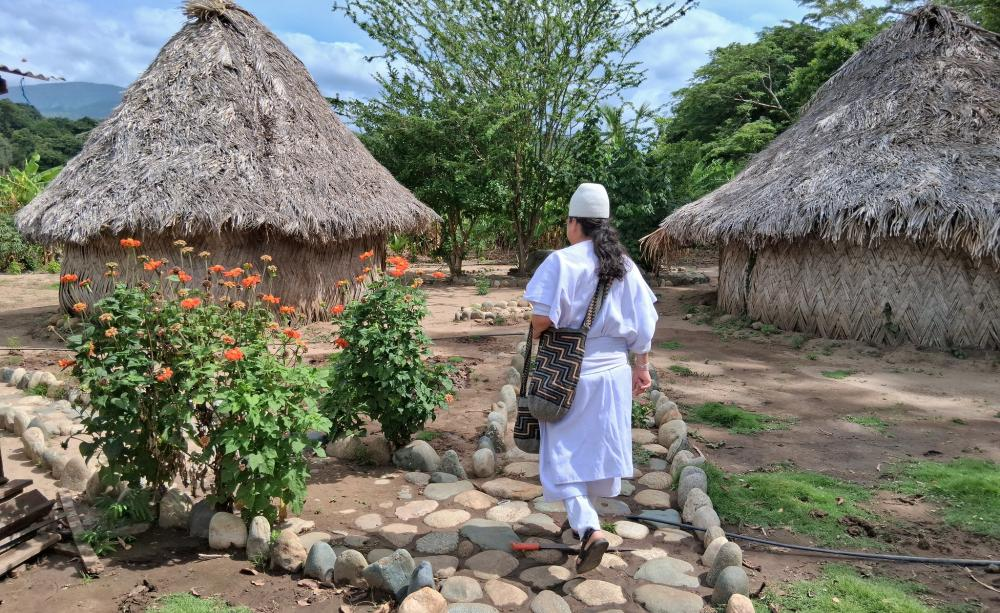
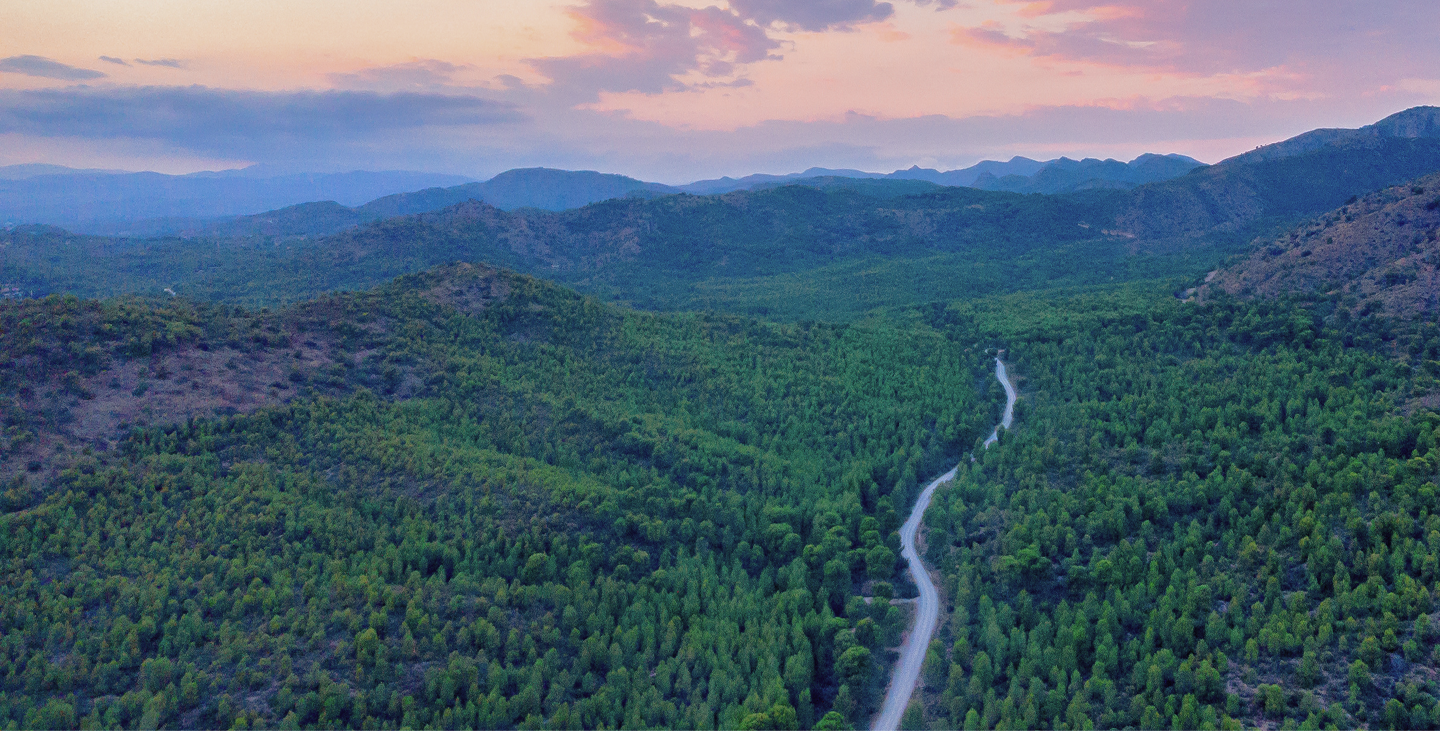
Indigenous Peoples and place-based communities steward a disproportionate share of the healthiest ecosystems on Earth.
In practice, this means supporting stewardship that is rooted in right relationship and carried out on these communities’ own terms, like rematriation, revival of Indigenous governance, cultural transmission and revitalization, territorial rights, co-management negotiations, mapping, and community-led monitoring.
2.
Reciprocal Regeneration
The active practice of strengthening and rebuilding right relationship between communities and the lands and waters they depend on, through regenerative ways of living and working.
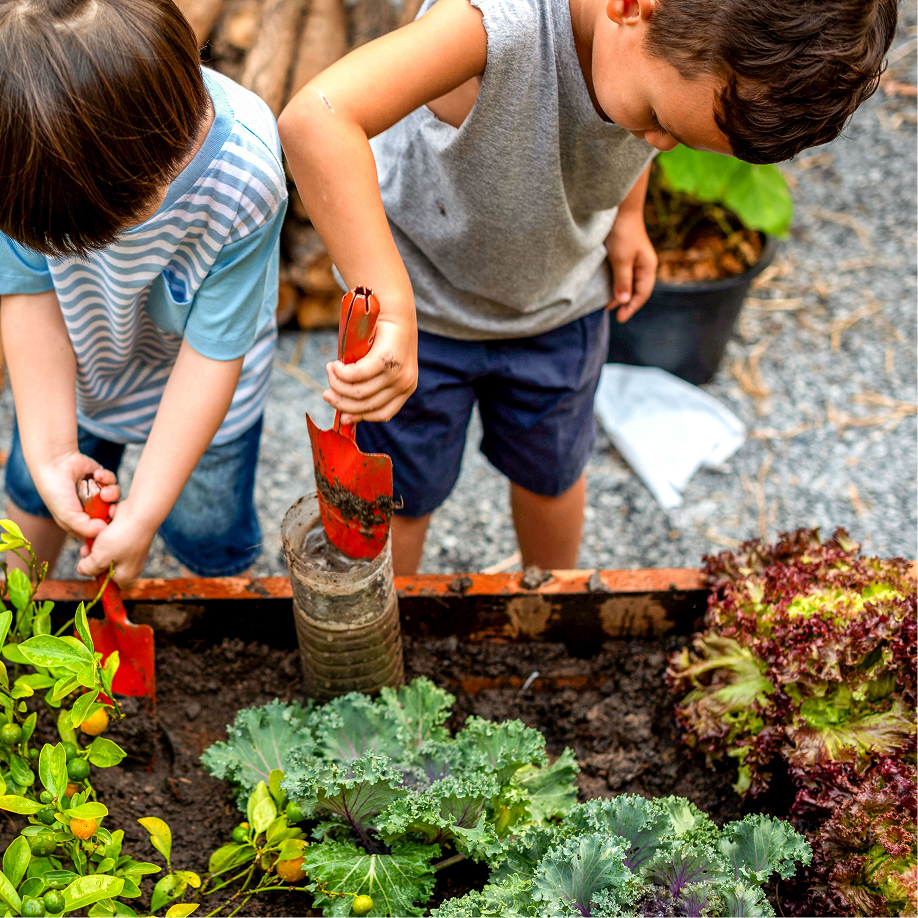
When a community’s well-being is the result of its reciprocal relationship with the lands and waters around it, caring for the living world stops being an external requirement and becomes part of daily life. This lever reaches wherever people live, whether in forests, in rural communities, or in cities where the living world feels most absent.
In practice, this means supporting priorities that are rooted in right relationship and identified by a community as its own, not solutions KinshipNow arrives with. Those priorities can include community-owned enterprises, regenerative food systems, community-governed green spaces, local circular economies, or land acquisition.
3.
Relational learning
The active practice of getting to know our non-human relatives as kin, not as resources.
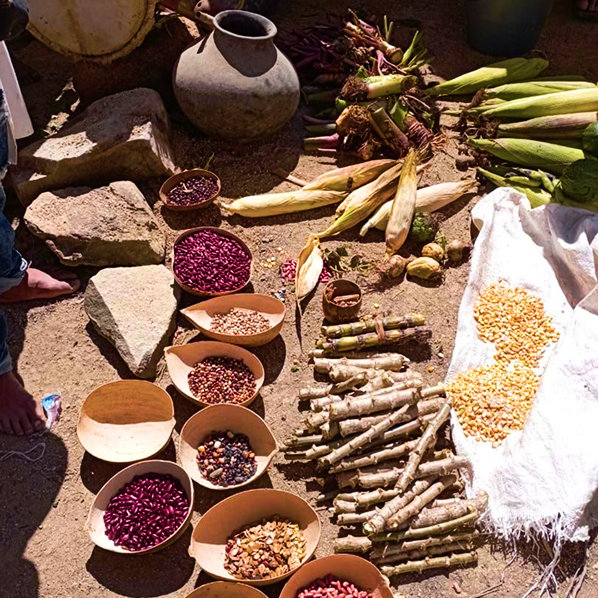
When we understand these relatives as kin, caring for them doesn’t depend on enforcement. It is a guiding principle of life. This is what we can learn from Indigenous and place-based learning systems: a way of relating that guides how we live and how we govern.
In practice, this means teaching that our non-human relatives, like plants, animals, rivers, and mountains, are beings to be in right relationship with, not assets to manage. Indigenous and place-based knowledge holders lead learning journeys grounded in kinship, for youth, community leaders, practitioners, and decision makers.
The KinshipNow model
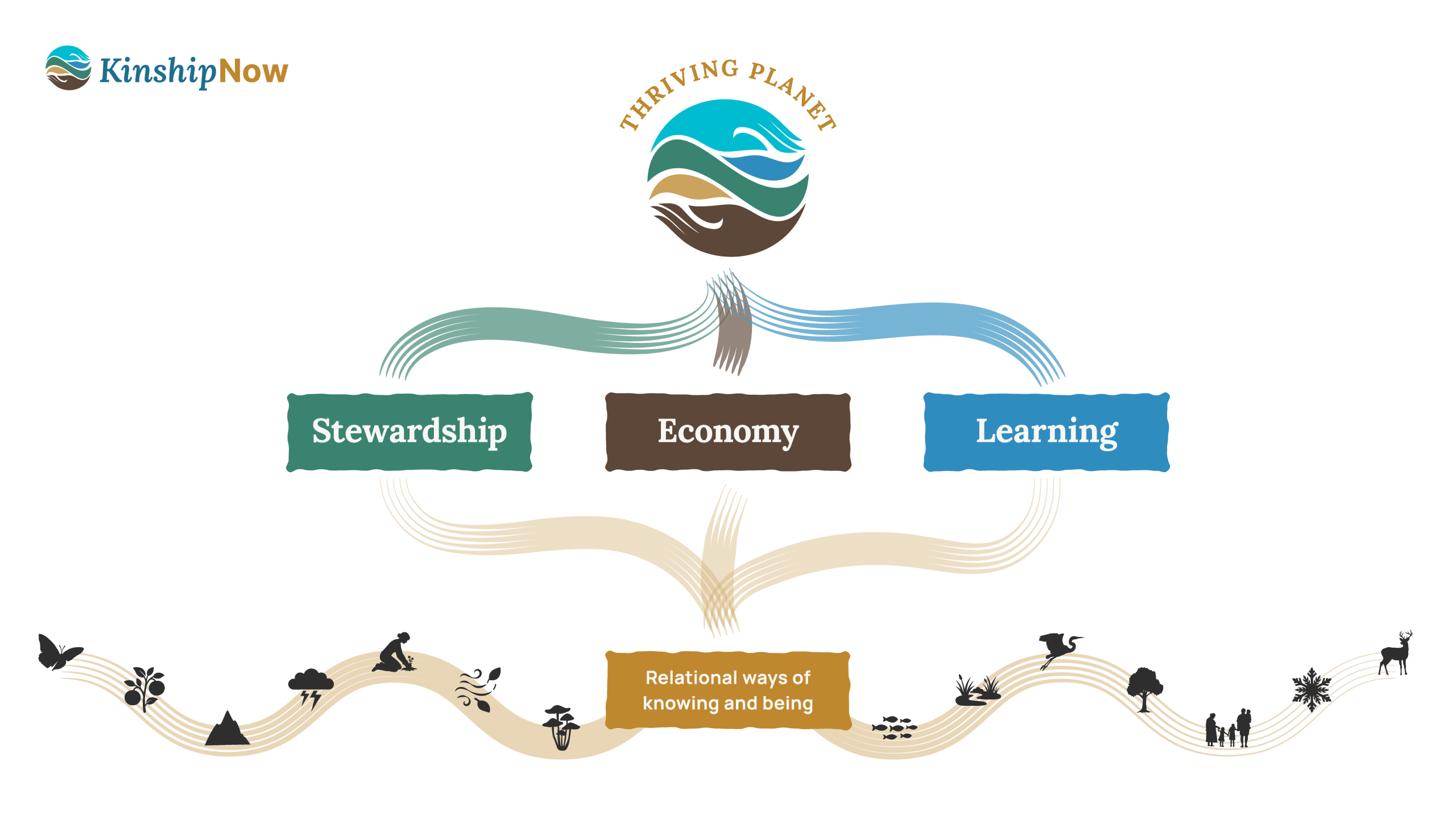
The three levers (stewardship, livelihood, and learning) respond to the same root cause: most people today have lost relationship with the living systems that sustain them. Each holds a different part of the repair.
Indigenous and place-based stewardship demonstrates what right relationship produces: abundant, healthy ecosystems. Reciprocal regeneration shows how a community’s well-being flows from its relationship with the lands and waters it depends on. Relational learning reminds us that our non-human relatives are kin we are accountable to, not things to be managed or exploited.
The three reinforce each other, and none is sufficient alone. Stewardship supplies the evidence and keeps alive the knowledge that learning draws on. But evidence alone can produce admiration without behavior change. Livelihood and learning build the readiness to act on that evidence: as they bring more people, in more places, into right relationship with the living world, the abundance that follows becomes part of people’s own lives, not something found only in untouched lands and waters to be admired and set aside. That readiness, in turn, feeds back into stewardship, building the cultural and political support that territorial rights and community governance depend on. Each lever needs what the others provide, and together they reach the root of the climate, biodiversity, water, and pollution crises we face.
Relational ways of knowing and being are the foundation. They shape how we define stewardship, livelihood, and learning, in ways that keep us in right relationship with, and accountable to, our non-human relatives – including those we have been taught to see as inanimate, like rivers, glaciers, and canyons– rather than separated from them for their protection.
Where invited, KinshipNow partners with communities and organizations already working on one or more levers, helping the levers in place reinforce each other and co-creating the ones not yet there.
Dive Deeper
The climate, biodiversity, water, and pollution crises call for something more durable than just protecting what’s left: remembering our kinship with the living world.