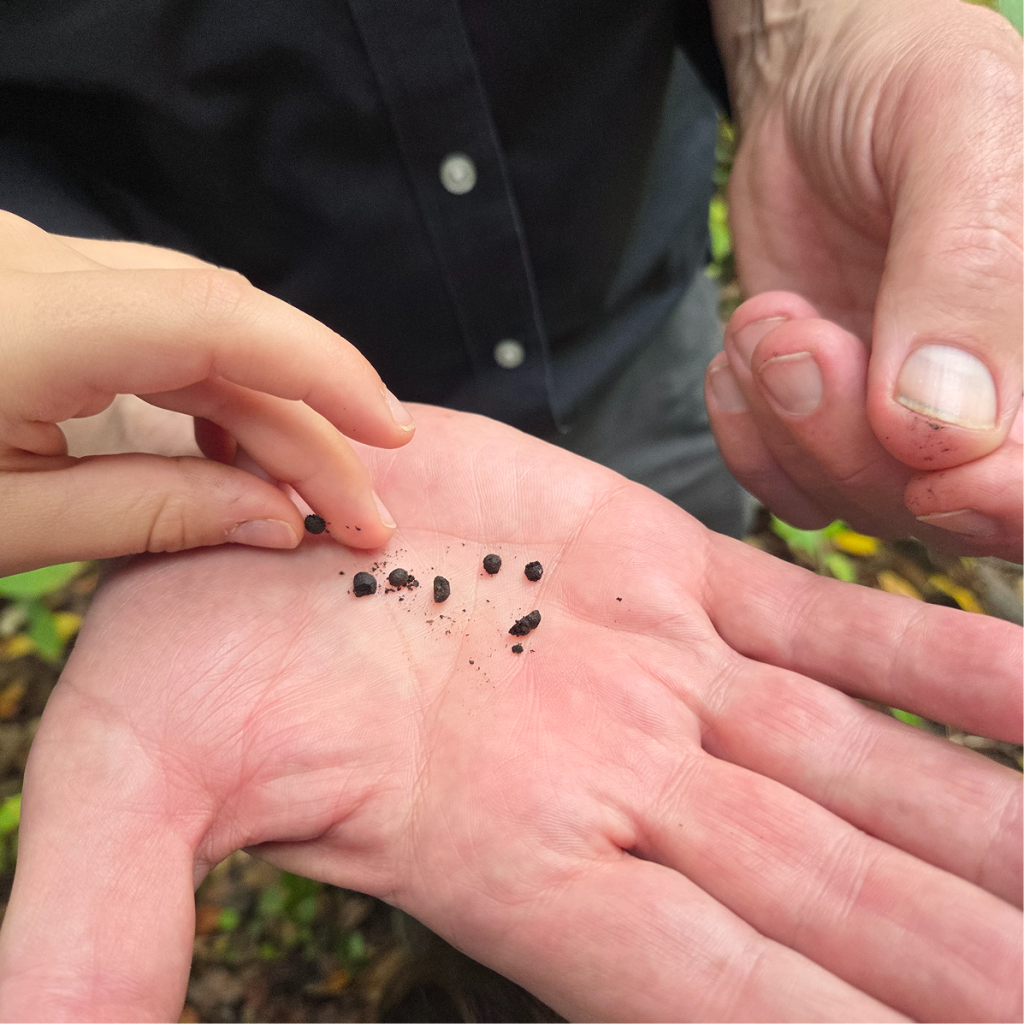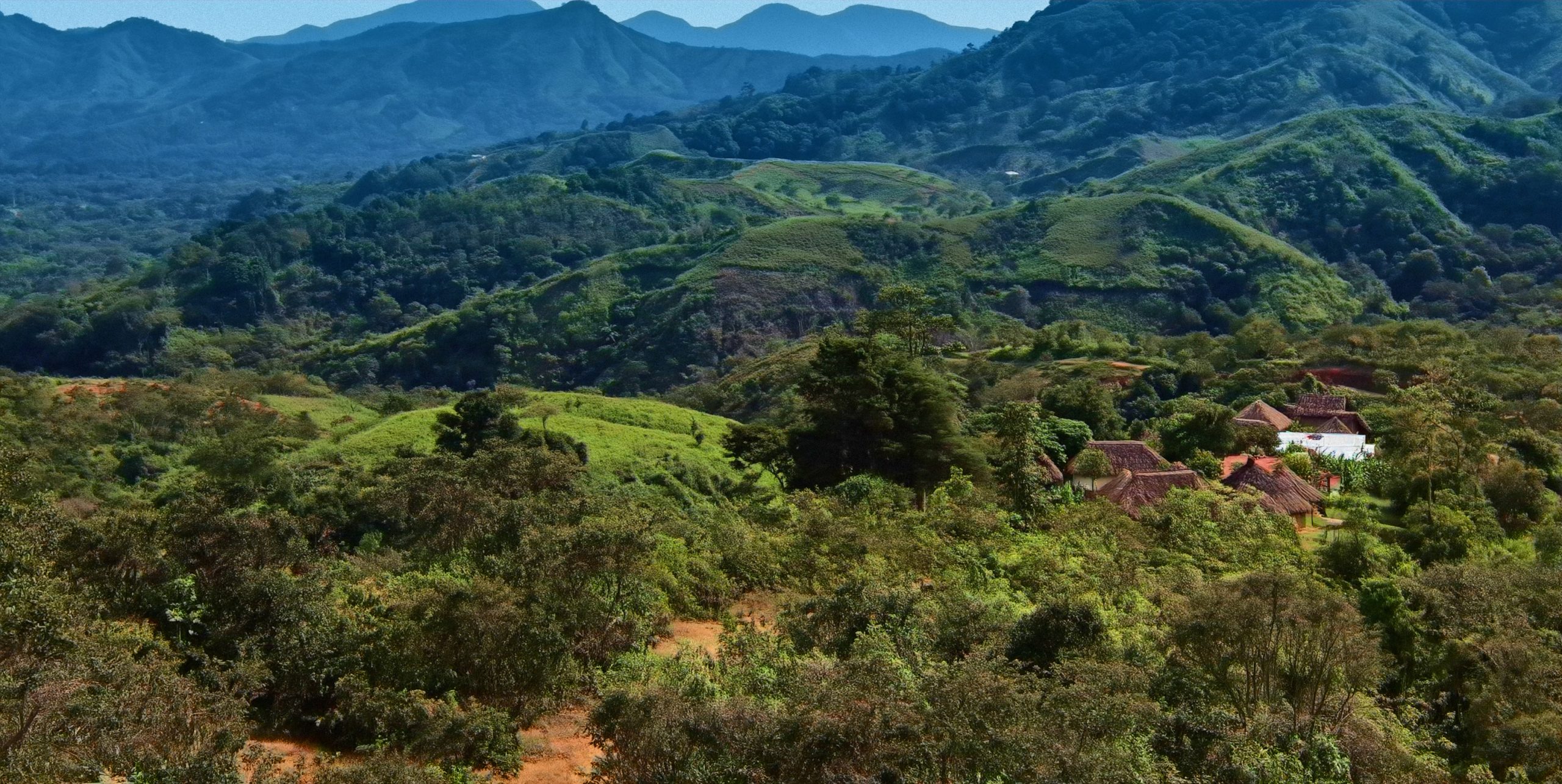
We defend and restore right relationship and reciprocity among people and the living world.
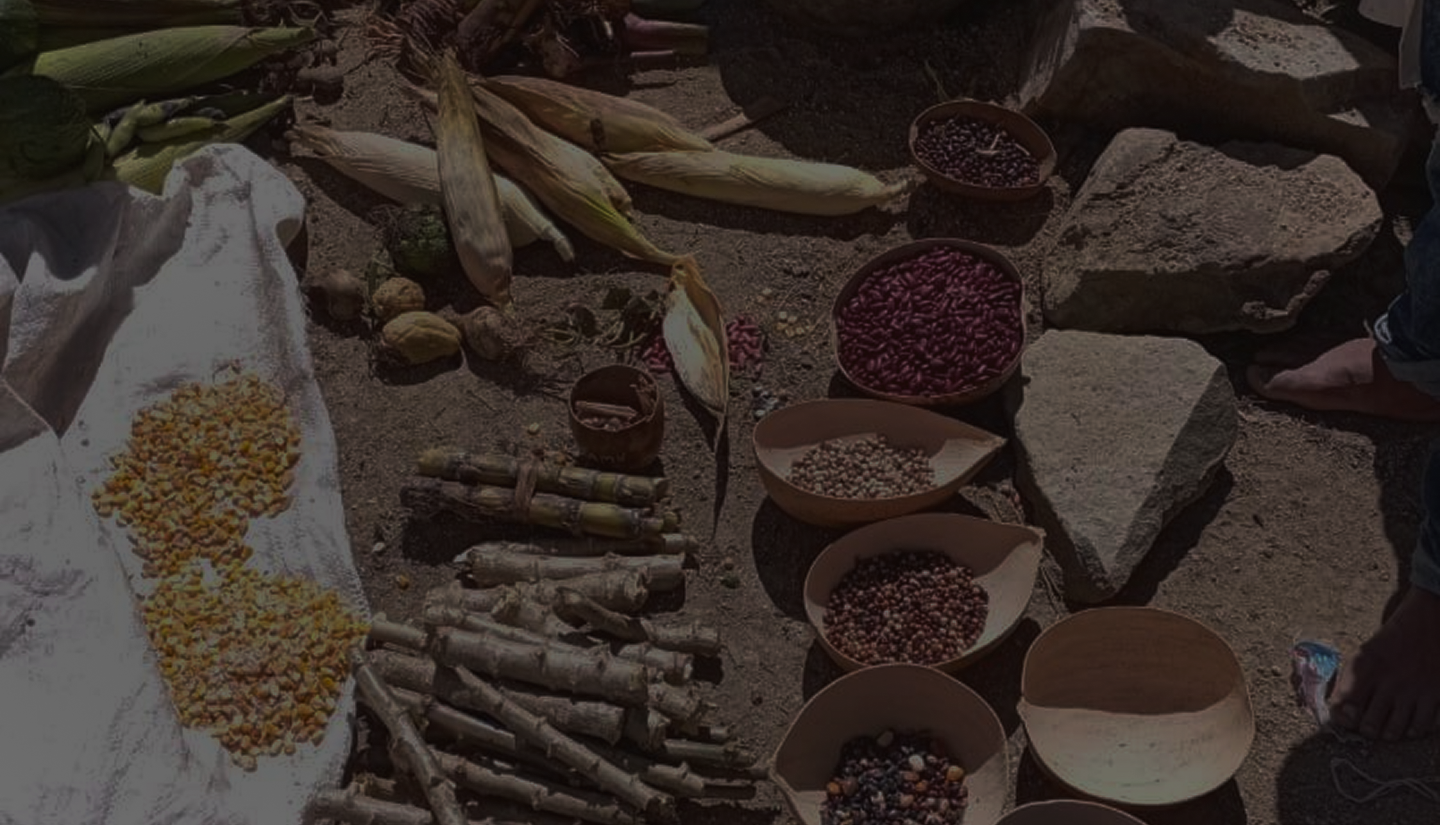
Indigenous and place-based stewardship
Caring for lands and waters through ancestral knowledge.
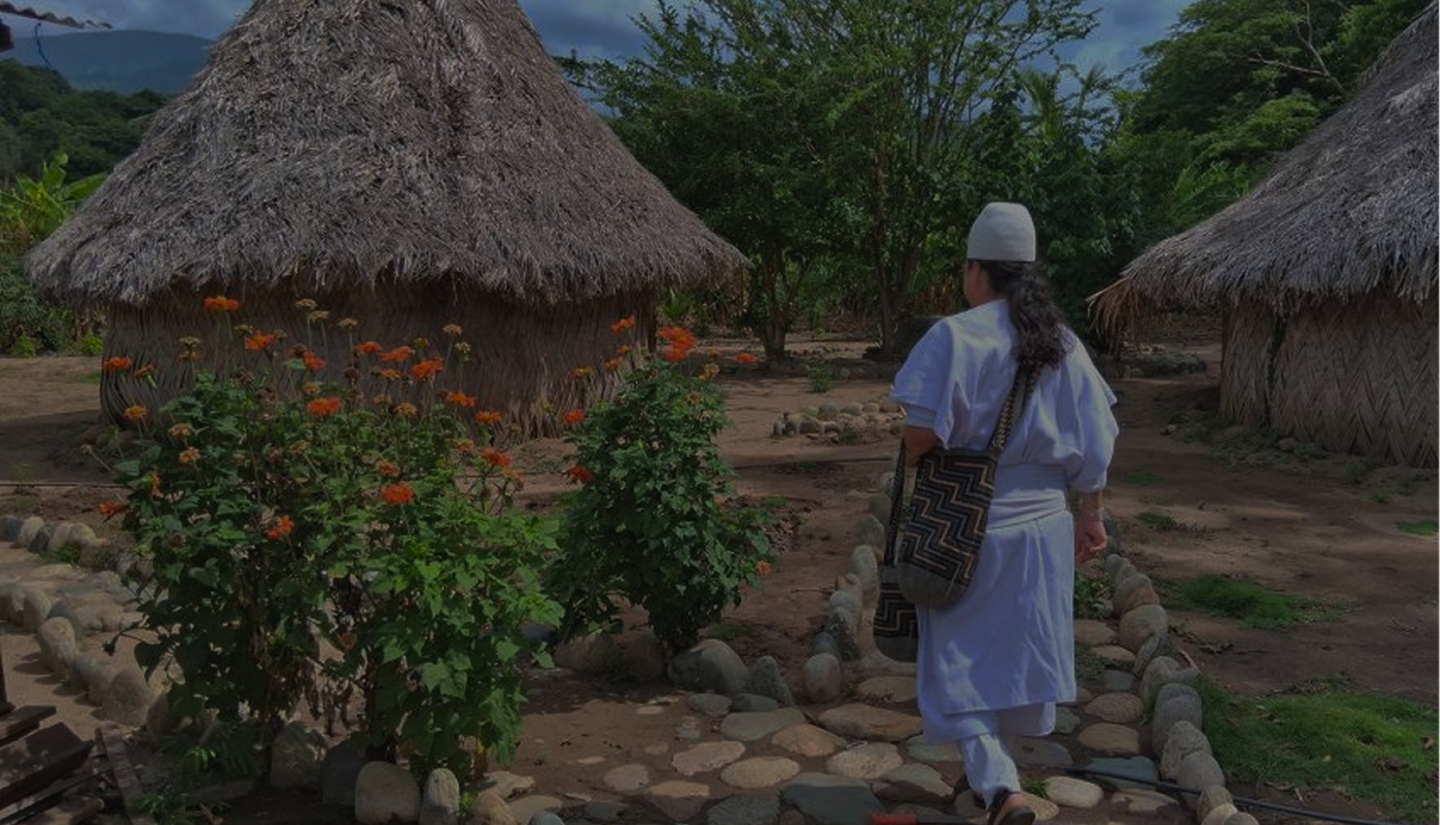
Relational learning
Learning through relationship with the living world, not about it.
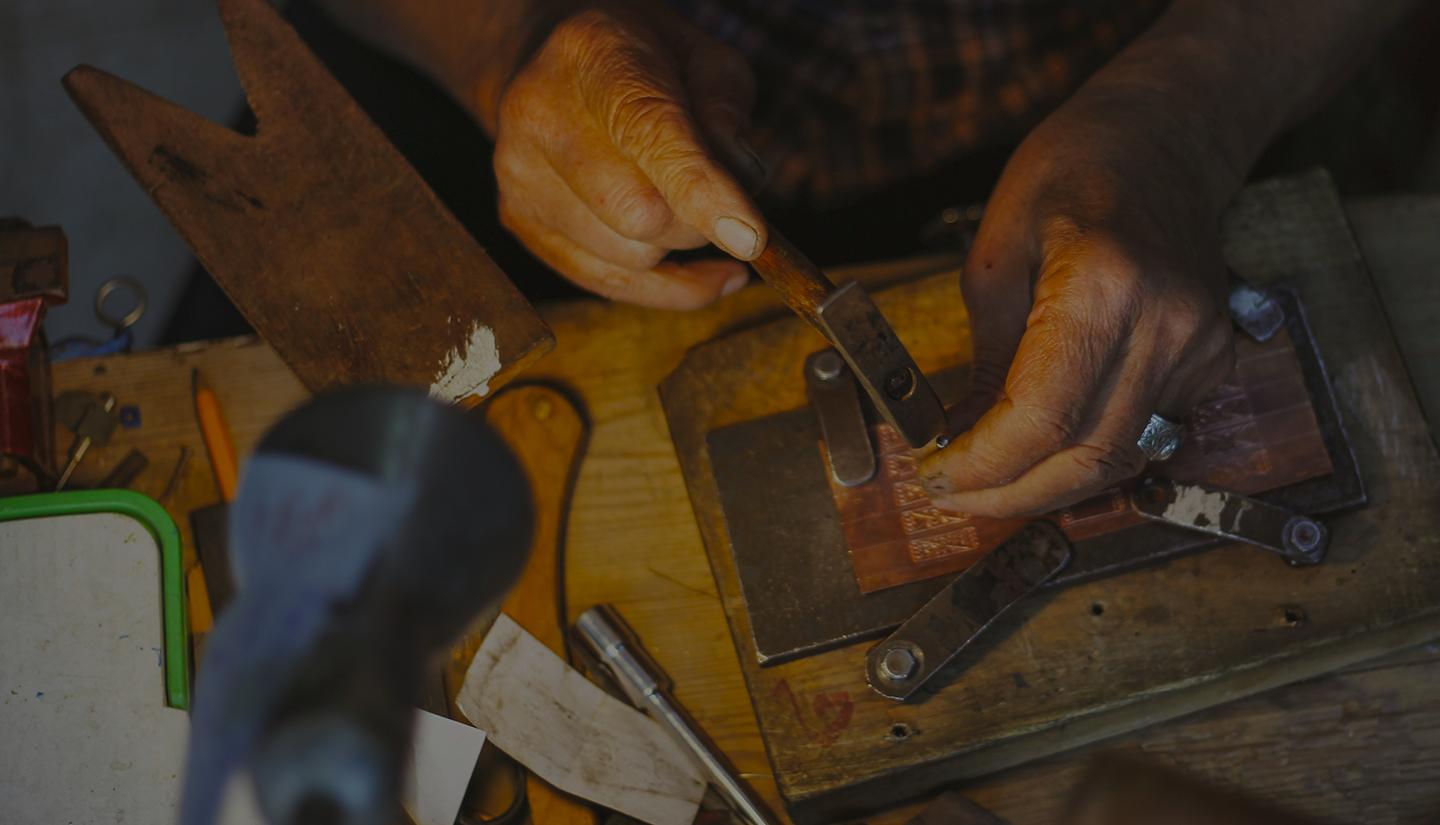
Reciprocal regeneration
Lands, waters, and livelihoods renewing one another.
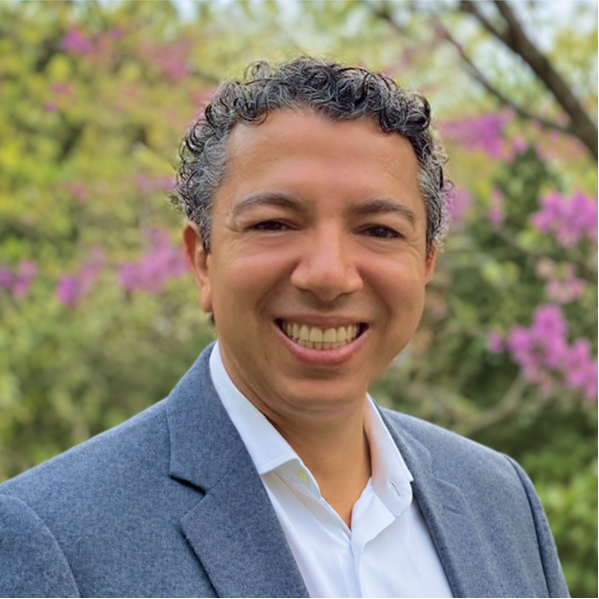
A Message from Our Founder: Gracias por visitarnos.
We work alongside communities where we are invited, beginning in the United States and Colombia, to defend, restore, and rebuild right relationship with the living world. When we act in responsibility to our non-human relatives, abundance and well-being follow. That reciprocity is how people and the living world heal together, for generations to come.
We are kin to the living world, whether we recognize it or not, so we don’t have to invent the path forward. We just have to remember it. I hope you’ll join us.
Bray Beltrán,
Founder & Lead Steward, KinshipNow
Repairing the Relationship
Climate disruption, biodiversity loss, water scarcity, and pollution are not separate problems with separate solutions. They’re all symptoms of a deeper injury: the loss of our relationship with the living world. This injury can’t be healed by technology or laws alone; it can only be fully healed by repairing the relationship.
For millennia, people and the living world flourished together in reciprocal relationship.
People understood their interdependence with the lands and waters around them, and many communities still do. For most of us, that relationship has been severed. That severing is the root cause of these crises.
And it happened in waves. Colonial dispossession removed Indigenous Peoples from lands and waters they had lived in relationship with for millennia. Capitalism flattened our relationship with the living world into a transaction. When money could buy food, the soil seemed unnecessary; when money could buy medicine, the forest seemed dispensable; when money could deliver water, the river seemed irrelevant.
The modern conservation movement deepened the separation, encoding into law and practice the idea that nature is a place where people do not belong.
A world organized around extraction
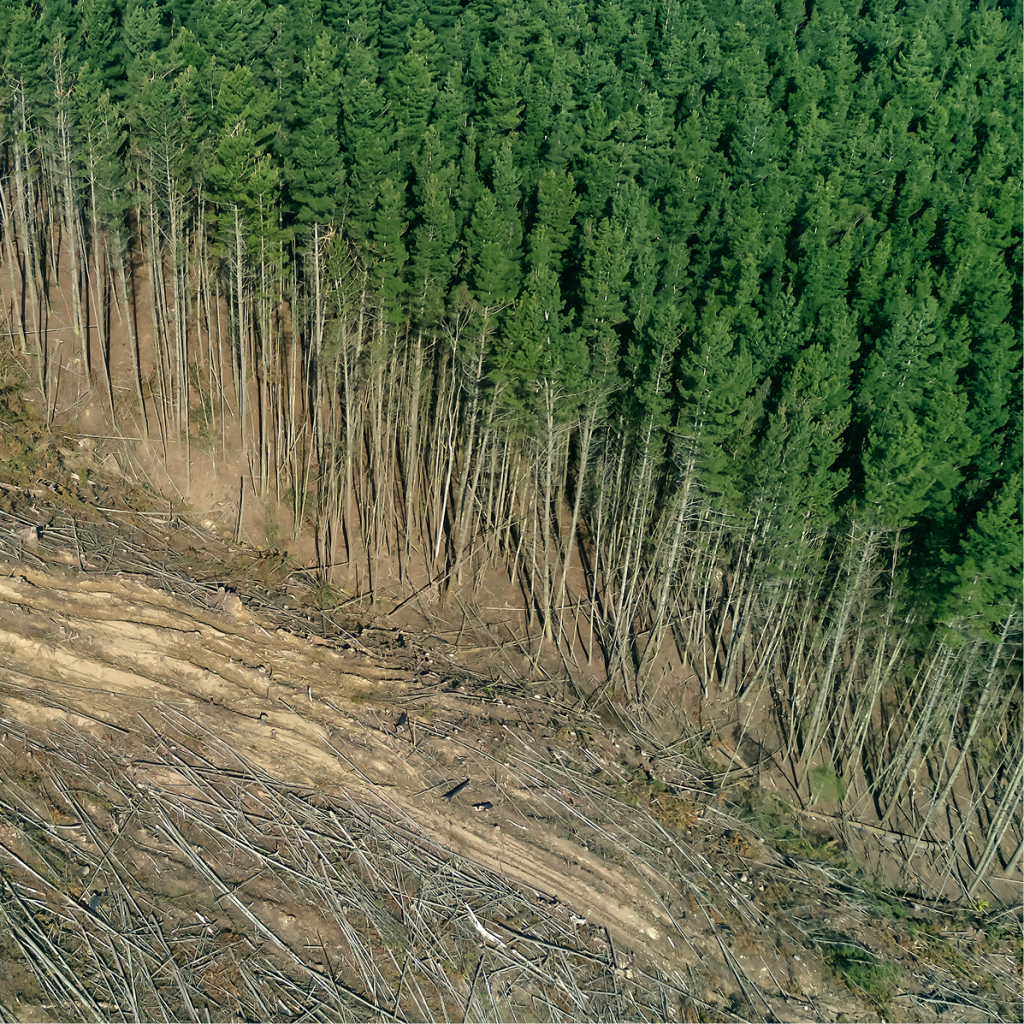
When wealth becomes a surrogate for the abundance that comes from reciprocal relationship with lands, waters, plants, and animals, imposed restraint is outpaced by exploitation. A world organized around extraction and separation produces climate disruption, biodiversity loss, water scarcity, and pollution, and leaves living systems on the brink of collapse.
Addressing crisis at the root
Conservation has delivered important wins: species recoveries, lands protected from development, landmark laws. But these gains are not enough to meet the scale of the crises we face. A protected forest doesn’t repair the relationship that makes the next thousand acres disposable. Because these interventions treat symptoms rather than the underlying injury, the crises continue to grow.
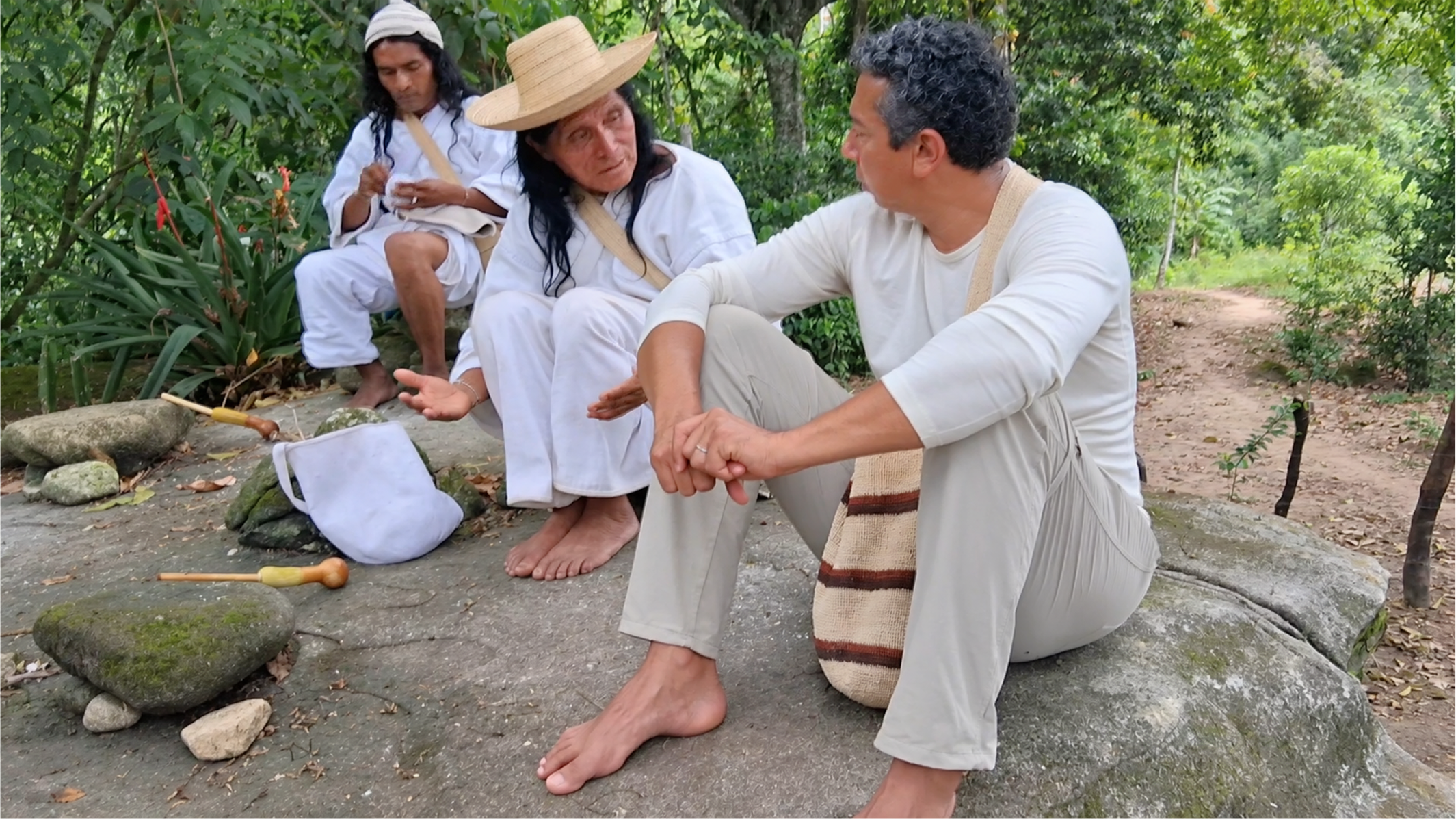
KinshipNow works at the root, repairing the relationship between people and the living world. We center Indigenous ways of knowing, being, and relating, building on knowledge systems that sustain a disproportionate share of the healthiest ecosystems on Earth. Alongside communities, we defend what endures, restore what has frayed, and rebuild what has been severed. Our role is to support the conditions for communities and the living world to heal and flourish together.
The Three Levers
KinshipNow approaches both restoration and defense through three reinforcing levers:
1. Indigenous and place-based stewardship
We partner with Indigenous and other place-based communities to steward and defend right relationship with lands, waters, and our other relatives, human and non-human.
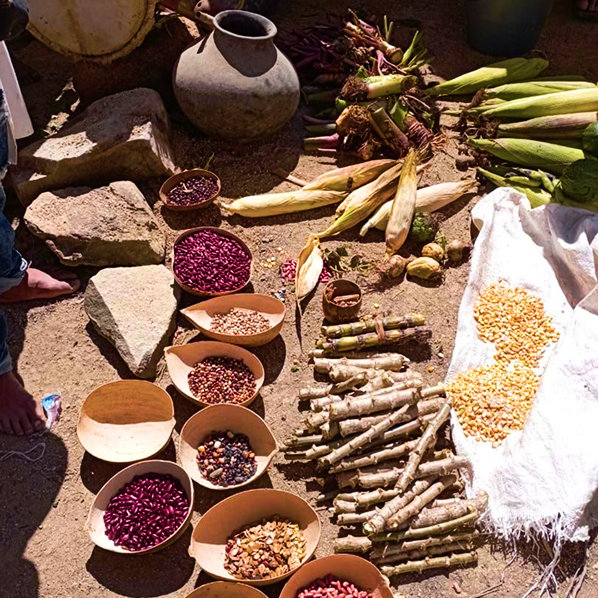
2. Reciprocal regeneration
We co-create ways of living and working that strengthen through reciprocal relationship between communities and the lands and waters they depend on.
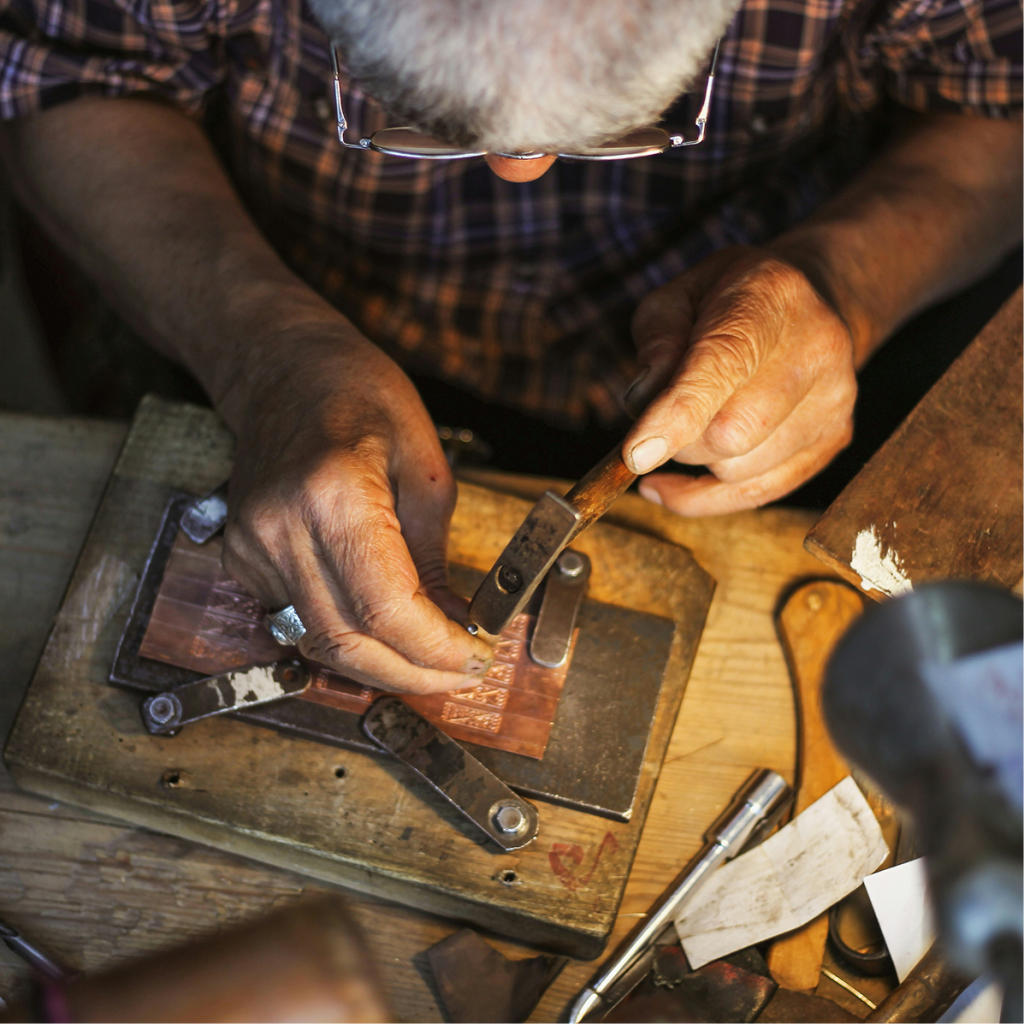
3. Relational learning
We support place-based and intergenerational learning rooted in Indigenous and ancestral knowledge systems, teaching through kinship with the living world rather than facts about it.